Should I rub, or try to clean old coins I found? NO DO NOT CLEAN COINS
Why You Should Never Clean Your Coins:
Whether you’ve just unearthed an old jar of coins in the attic, inherited a carefully curated collection from a relative, or stumbled upon a fascinating piece of currency at a yard sale, the thrill of the find is undeniable. Holding a piece of history in your hands naturally brings up a lot of questions. How old is it? Where has it been? And, most importantly, what is it worth?
In that moment of excitement, almost everyone shares the same sudden urge: I should polish these up so they look nice.
Stop right there.
If you take only one piece of advice away from your discovery, let it be this: never, under any circumstances, clean or polish your coins.
While human instinct tells us that shiny and clean equals more valuable, the world of numismatics (coin collecting) operates on the exact opposite principle. Taking a cloth, a brush, or a chemical dip to an old coin is the fastest way to destroy its historical integrity—and its financial value.
Here is exactly why you need to step away from the polish and leave your newfound treasure exactly as you found it.
1. You Are Erasing the "Luster"
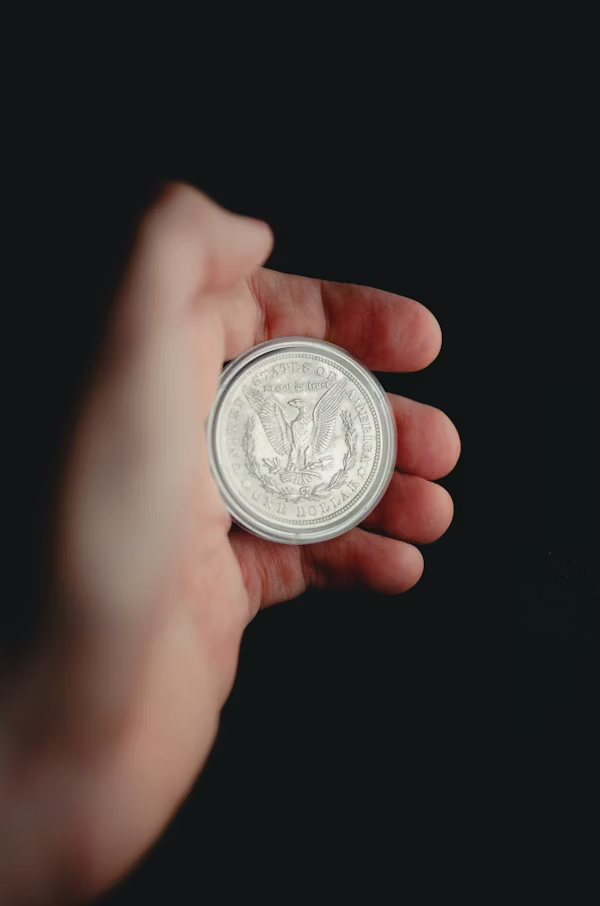
When a coin is originally struck at the mint, the intense pressure creates a unique, microscopic flow of metal on the surface. This creates what collectors call "mint luster"—a distinct, cartwheel-like reflection of light that cannot be replicated.
Even the softest jewelry cloth or a seemingly harmless toothbrush will leave microscopic scratches (hairlines) across the surface of the metal. These scratches permanently destroy the original mint luster. To a professional appraiser, a cleaned coin sticks out like a sore thumb because it looks unnaturally shiny, harsh, and flat.
2. The Patina is Part of the Pedigree
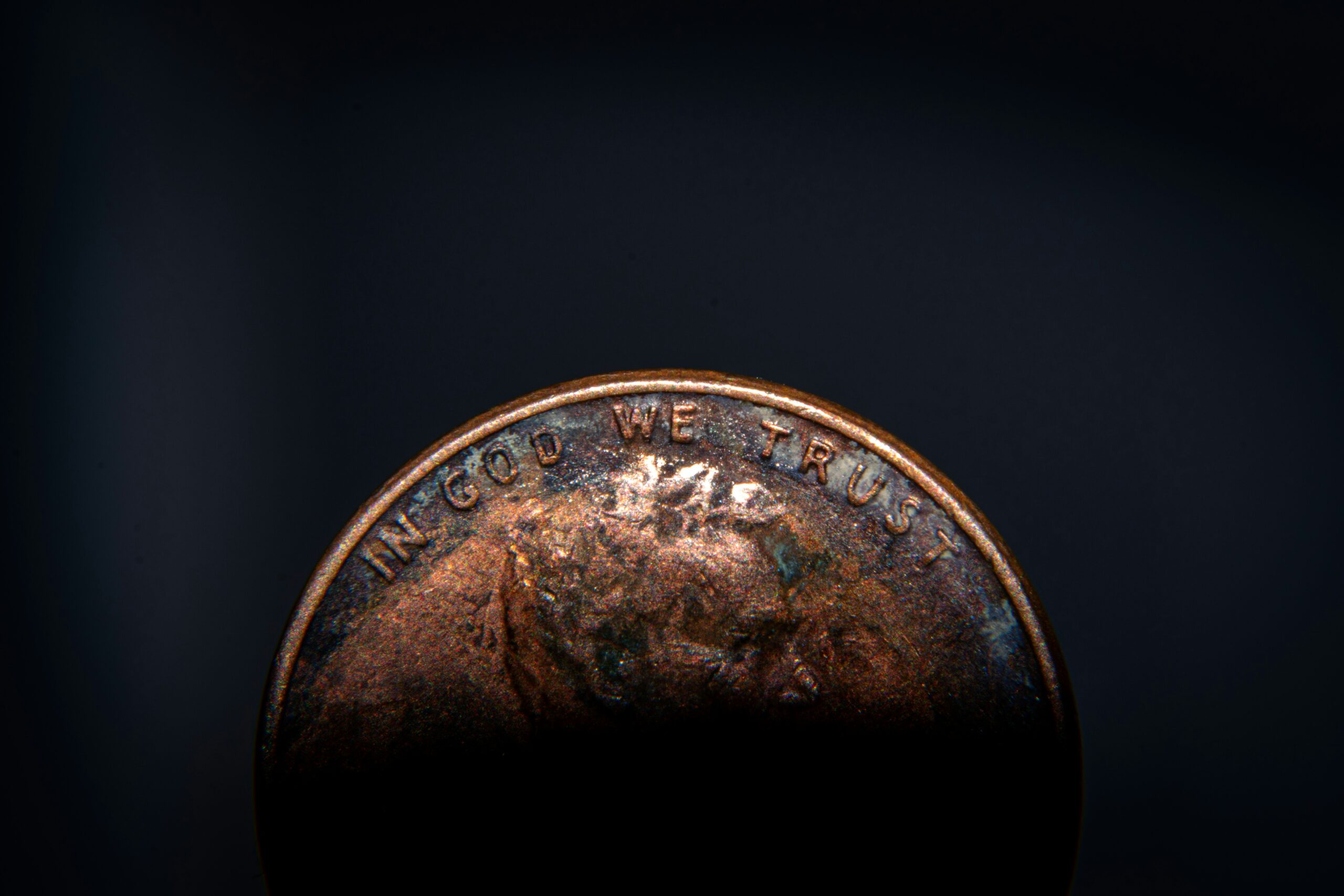
Over decades or centuries, the metals in a coin react with their environment—the air, the paper they were stored in, or the oils from the hands that held them. This natural oxidation process creates a "patina," or what collectors call "toning."
Toning can range from a deep, rich grey on silver coins to vibrant, iridescent rainbows. This natural surface is highly prized by collectors. It acts as a protective layer and serves as proof of the coin’s age and authenticity. When you use silver polish, baking soda, or harsh acidic dips to strip away the grime, you are permanently stripping away the coin's original surface and its history.
3. "Cleaned" is a Dirty Word
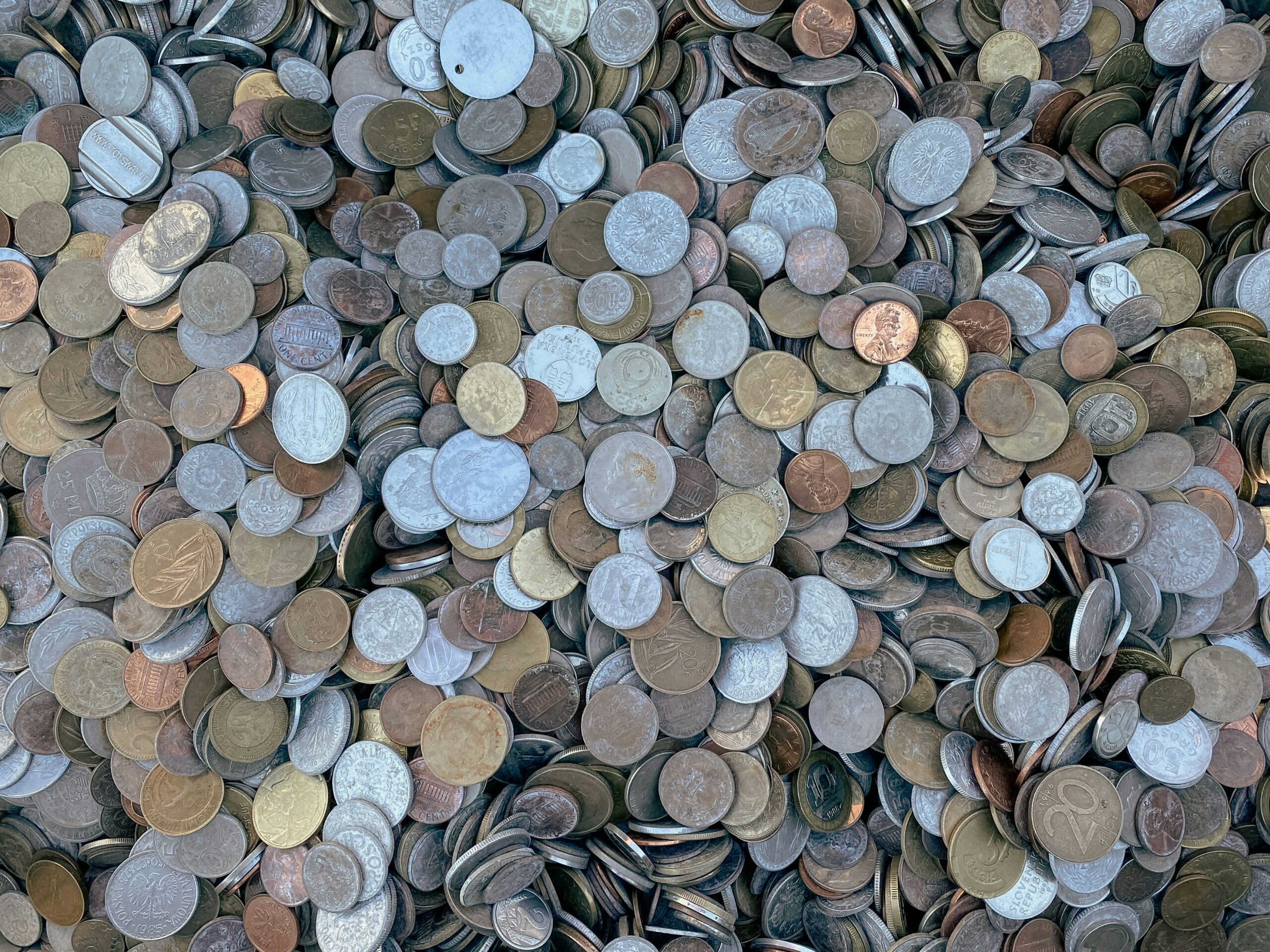
In the coin grading world, "cleaned" is the dreaded label no one wants to see. When professional grading services evaluate a coin, any evidence of harsh cleaning, wiping, or polishing immediately disqualifies it from receiving a standard numerical grade.
Instead, it receives a "Details - Cleaned" designation. The financial impact of this is brutal. Depending on the rarity of the coin, cleaning it can instantly slash its value by 50% to 80%. A dusty, tarnished, and naturally aged coin will almost always sell for significantly more than the exact same coin that has been polished to a blinding shine.
What You Should Do Instead
If you’ve found a collection, your goal is preservation, not restoration. Here is how to handle your find like a pro:
Handle by the Edges: Never touch the faces (obverse and reverse) of a coin. The natural oils and acids on your fingertips can leave permanent fingerprints etched into the metal over time. Always hold a coin gently by its edges.
Keep Them Dry: Store your coins in a cool, dry environment. Avoid extreme humidity, which can accelerate unwanted corrosion.
Leave Them in Their Holders: If the coins are already in cardboard flips, plastic cases, or old albums, leave them there.
Consult an Indianapolis Expert at Hoosier Coin and Currency: Take the collection to a reputable local coin dealer. A professional will be able to evaluate the coins in their natural state and tell you exactly what you have without risking any damage.
Final Thoughts:
Finding an old coin is like finding a miniature time capsule. The dirt, the tarnish, and the rich patina are all proof of the journey it took to get to your hands. Resist the urge to scrub away that history, and your newly found collection will retain both its beauty and its true value. A professional will be able to let you know if a coin should be sent off for "restoration" and that if a professional restoration would increase its value, or if it is in it's current best state for value.